Table of Contents
ToggleWellness tools have become essential resources for people who want to improve their health and quality of life. These products, apps, and practices help individuals manage stress, stay active, and build healthier habits. The right wellness tools can transform daily routines into opportunities for growth and self-care.
Today, millions of people use wellness tools to track their fitness, calm their minds, and monitor their overall health. From simple meditation apps to advanced fitness trackers, these resources offer practical support for anyone seeking a healthier lifestyle. This guide explores the most effective wellness tools available and explains how to choose the ones that fit individual needs.
Key Takeaways
- Wellness tools include physical products, apps, and practices that support your physical, mental, and emotional health.
- Choose wellness tools that match your specific goals—whether that’s fitness, stress relief, better sleep, or habit tracking.
- Digital wellness tools like meditation apps and fitness trackers make professional-grade health resources accessible anytime, anywhere.
- Start simple with one or two tools and master them before adding more to avoid overwhelming yourself.
- The most effective wellness tools are the ones you’ll actually use consistently, so prioritize practicality over price or features.
- Combine multiple wellness tools—such as journaling, exercise equipment, and mindfulness apps—to build a personalized self-care routine.
What Are Wellness Tools?
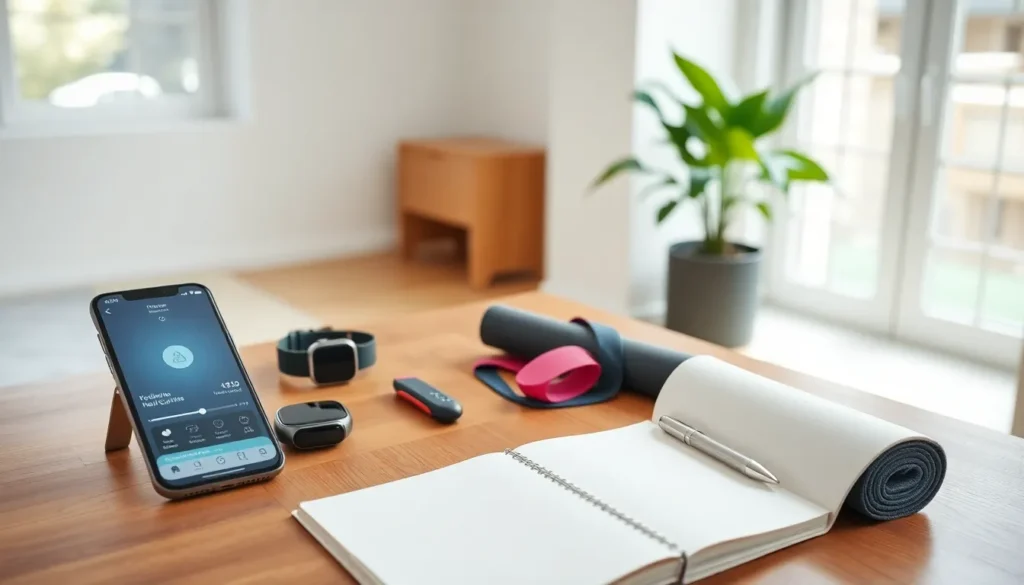
Wellness tools are products, technologies, and practices that support physical, mental, and emotional health. They range from simple items like yoga mats and water bottles to advanced devices like heart rate monitors and sleep trackers.
These tools serve different purposes. Some help people exercise more effectively. Others promote relaxation and stress relief. Many wellness tools now come in digital form, making them accessible to anyone with a smartphone.
The category includes:
- Fitness equipment such as resistance bands, dumbbells, and foam rollers
- Mindfulness resources like guided meditation recordings and breathing exercises
- Health monitors including blood pressure cuffs, glucose meters, and smartwatches
- Apps and software that track habits, sleep patterns, and nutrition
Wellness tools work best when they match a person’s specific goals. Someone training for a marathon needs different resources than someone managing daily anxiety. The key is finding tools that fit into existing routines without adding unnecessary friction.
Physical Wellness Tools
Physical wellness tools help people move better, recover faster, and stay consistent with their fitness goals. They range from basic home gym equipment to specialized recovery devices.
Exercise Equipment
Resistance bands offer a portable, affordable way to build strength. They work for beginners and advanced athletes alike. Dumbbells and kettlebells provide versatile options for home workouts. A quality yoga mat supports everything from stretching to high-intensity training.
Recovery Tools
Foam rollers help release muscle tension after workouts. Massage guns have gained popularity for their ability to target deep tissue soreness. Compression sleeves and wraps support circulation and reduce inflammation.
Tracking Devices
Fitness trackers monitor steps, heart rate, and calories burned throughout the day. Many wellness tools in this category now include GPS tracking for runners and cyclists. Smartwatches combine fitness tracking with smartphone features, making them convenient all-in-one devices.
These physical wellness tools encourage consistency. When someone invests in quality equipment, they’re more likely to use it regularly. The best tools make exercise easier and more enjoyable, removing common barriers to staying active.
Mental and Emotional Wellness Tools
Mental and emotional wellness tools address stress, anxiety, and overall psychological health. They help people develop coping skills and maintain emotional balance.
Journaling Supplies
Writing remains one of the most effective wellness tools for processing emotions. Gratitude journals prompt users to reflect on positive experiences. Bullet journals help organize thoughts and track moods over time. The act of writing by hand engages the brain differently than typing, often producing deeper insights.
Meditation Aids
Meditation cushions and benches support proper posture during practice. Singing bowls and chimes can signal the start and end of meditation sessions. Essential oil diffusers create calming environments that support relaxation.
Stress Relief Items
Weighted blankets apply gentle pressure that many people find soothing. Stress balls and fidget tools give restless hands something to do during anxious moments. Light therapy lamps help regulate mood, especially during darker months.
These wellness tools don’t replace professional mental health care. But, they provide daily support that builds emotional resilience over time. Many people combine several tools to create personalized self-care routines.
Digital Wellness Tools and Apps
Digital wellness tools have transformed how people approach their health. Apps and online platforms make professional-grade resources available to anyone with internet access.
Meditation and Mindfulness Apps
Apps like Headspace, Calm, and Insight Timer offer guided meditations for various needs. Some focus on sleep. Others target anxiety or focus. These digital wellness tools provide structured programs that help beginners establish consistent practice.
Fitness Applications
Workout apps deliver personalized exercise routines based on individual goals and fitness levels. Many include video demonstrations, progress tracking, and community features. Some wellness tools in this category connect with wearable devices to provide real-time feedback during workouts.
Health Tracking Platforms
Nutrition apps help users log meals and monitor calorie intake. Sleep tracking apps analyze rest patterns and offer suggestions for improvement. Habit trackers remind users to drink water, take medications, or complete daily wellness activities.
Telehealth Services
Virtual therapy platforms connect people with licensed counselors and therapists. These digital wellness tools remove geographic barriers and often cost less than traditional in-person sessions.
The convenience of digital wellness tools makes them popular choices. People can access meditation guidance at 3 AM or log a workout while traveling. This flexibility supports consistent habits regardless of schedule or location.
How to Choose the Right Wellness Tools for You
Selecting the right wellness tools requires honest assessment of personal goals, preferences, and lifestyle factors.
Identify Your Primary Goals
Start by asking specific questions. Does better sleep matter most? Is stress reduction the priority? Maybe building strength or losing weight tops the list. Clear goals point toward relevant wellness tools and away from unnecessary purchases.
Consider Your Budget
Wellness tools range from free apps to expensive equipment. Many effective options cost little or nothing. A library book on meditation techniques costs nothing but can transform someone’s practice. Set a realistic budget before shopping.
Evaluate Your Schedule
The best wellness tools fit into existing routines. Someone with 10 minutes each morning needs different resources than someone with an hour. Choose tools that work with available time rather than against it.
Start Simple
Beginners often benefit from starting with one or two wellness tools rather than buying everything at once. Master basic practices before adding complexity. A single meditation app used consistently beats five unused fitness gadgets.
Read Reviews and Research
User reviews reveal how wellness tools perform in real-world conditions. Look for feedback from people with similar goals and fitness levels. Scientific studies can validate claims made by product manufacturers.
The most effective wellness tools are the ones people actually use. Expensive equipment gathering dust helps no one. Prioritize tools that genuinely appeal and solve real problems.