Table of Contents
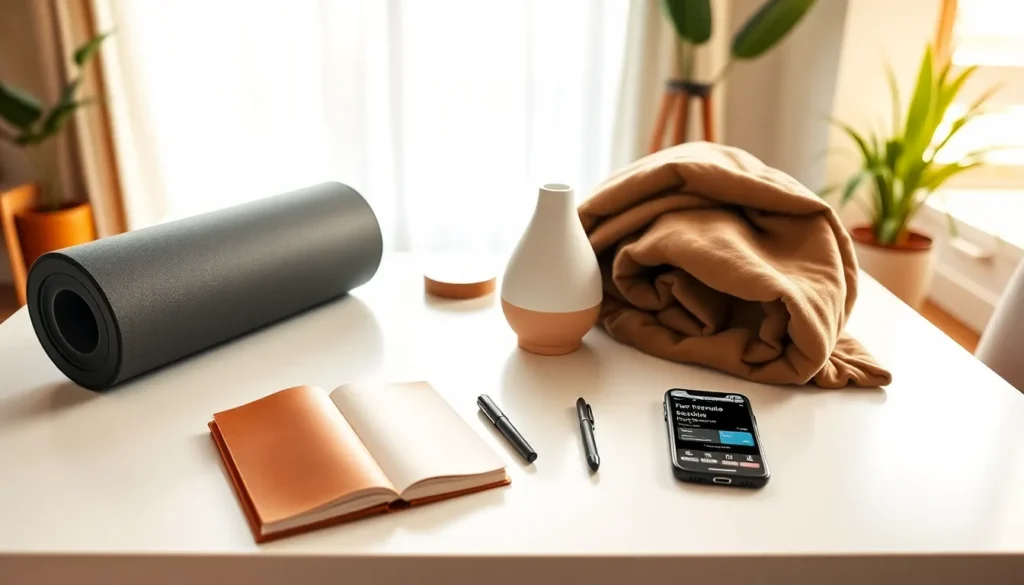
ToggleSelf-care tools have become essential items for anyone building a consistent wellness routine. These products and resources help people manage stress, improve physical health, and support emotional balance. The right self-care tools can transform daily habits into meaningful rituals that promote long-term well-being.
Whether someone is new to self-care or looking to expand their current practice, understanding which tools work best makes a significant difference. This guide covers the most effective self-care tools available, from physical wellness products to mental health resources, and explains how to select the right options for individual needs.
Key Takeaways
- Self-care tools range from physical items like foam rollers and weighted blankets to digital apps for meditation and mood tracking, each serving a specific wellness purpose.
- Regular use of self-care tools can reduce anxiety, improve sleep quality, and boost overall life satisfaction by turning good intentions into daily habits.
- Choose self-care tools based on your primary needs—physical recovery tools for muscle tension, or journaling and meditation apps for mental wellness.
- Start with one or two tools that address your most pressing needs and use them consistently before adding more to avoid overwhelm.
- Many effective self-care tools are free or low-cost, including meditation apps, journaling with a simple notebook, and library wellness books.
- The best self-care tools are the ones you’ll actually use—consider your habits, schedule, and preferences when selecting products.
What Are Self-Care Tools and Why Do They Matter
Self-care tools are products, resources, and practices that support personal health and well-being. They range from physical items like foam rollers and aromatherapy diffusers to digital apps designed for meditation and mood tracking. The common thread? Each tool serves a specific purpose in maintaining or improving health.
These tools matter because modern life creates constant demands on time, energy, and attention. Without intentional practices, stress accumulates and affects both mental and physical health. Self-care tools provide structure and support for building habits that counteract daily pressures.
Research backs this up. Studies show that regular self-care practices reduce anxiety, improve sleep quality, and boost overall life satisfaction. But here’s the thing, knowing self-care is important doesn’t automatically make it happen. That’s where tools come in. They remove friction, create reminders, and make healthy practices easier to maintain.
Self-care tools also help people move beyond vague intentions toward concrete actions. Instead of telling yourself to “relax more,” a guided meditation app gives you a specific 10-minute practice. Rather than planning to “exercise eventually,” a set of resistance bands sits ready by the couch. The right tools turn good intentions into daily reality.
Physical Self-Care Tools for Body Wellness
Physical self-care tools address the body’s needs for movement, recovery, and relaxation. These items support everything from muscle recovery to better sleep.
Massage and Recovery Tools
Foam rollers remain one of the most popular self-care tools for physical wellness. They release muscle tension, improve circulation, and speed recovery after exercise. Massage guns have also gained popularity, offering deep tissue relief without a trip to the massage therapist.
For targeted relief, massage balls work well on specific trigger points in the back, feet, and shoulders. Acupressure mats provide another option, lying on these spike-covered mats for 15-20 minutes can reduce muscle tension and promote relaxation.
Sleep and Relaxation Tools
Quality sleep forms the foundation of physical wellness. Weighted blankets have become go-to self-care tools for many people struggling with sleep issues. The deep pressure stimulation they provide can reduce anxiety and help the body relax.
Aromatherapy diffusers add another layer to bedtime routines. Essential oils like lavender and chamomile create calming environments that signal the brain it’s time to wind down. Eye masks and white noise machines round out the sleep toolkit.
Movement and Exercise Tools
Resistance bands, yoga mats, and balance boards make home workouts accessible. These self-care tools don’t require much space but deliver significant benefits for strength, flexibility, and stress relief. Even a simple jump rope provides excellent cardiovascular exercise in a compact package.
Mental and Emotional Self-Care Tools
Mental and emotional self-care tools support psychological well-being through reflection, relaxation, and skill-building. Many of the most effective options cost little or nothing.
Journaling and Reflection Tools
Journals rank among the most versatile self-care tools available. Gratitude journals help shift focus toward positive experiences. Prompt-based journals guide reflection on specific topics. Even a simple blank notebook serves as a space to process thoughts and emotions.
Digital journaling apps offer alternatives for those who prefer typing. Many include mood tracking features that reveal patterns over time. This data helps people identify triggers and understand their emotional rhythms better.
Meditation and Mindfulness Tools
Meditation apps like Headspace, Calm, and Insight Timer have made mindfulness accessible to millions. These self-care tools provide guided sessions, breathing exercises, and sleep stories. Beginners can start with short five-minute practices and gradually build longer sessions.
Physical meditation tools include meditation cushions, singing bowls, and mala beads. While not strictly necessary, these items can enhance practice by creating dedicated rituals and comfortable spaces.
Stress Relief Tools
Fidget toys, stress balls, and breathing necklaces provide immediate relief during anxious moments. These small self-care tools fit in pockets or desk drawers for quick access when stress spikes.
Coloring books designed for adults offer another approach to stress management. The focused attention required for coloring creates a meditative state that quiets racing thoughts.
How to Choose the Right Self-Care Tools for You
Selecting the right self-care tools requires honest assessment of personal needs, preferences, and lifestyle. Not every popular product works for every person.
Identify Your Primary Needs
Start by asking: What areas of wellness need the most attention right now? Someone dealing with chronic muscle tension will benefit most from physical recovery tools. A person struggling with racing thoughts might prioritize meditation apps or journaling supplies. The most effective self-care tools address actual problems, not hypothetical ones.
Consider Your Habits and Preferences
The best self-care tools are the ones that actually get used. If morning routines feel rushed, tools that require time won’t survive long. If tech fatigue is an issue, analog options like paper journals may work better than apps.
Think about where and when self-care fits into existing schedules. Portable tools work well for busy people. Home-based items suit those with dedicated wellness spaces.
Start Simple and Build Gradually
Beginners often make the mistake of buying too many self-care tools at once. This approach leads to overwhelm and wasted money. A better strategy: pick one or two tools that address the most pressing needs. Use them consistently for several weeks before adding anything new.
Budget Wisely
Many effective self-care tools cost nothing or very little. Free meditation apps, library books on wellness topics, and simple journaling with any notebook all deliver real benefits. Expensive doesn’t always mean better.