Table of Contents
ToggleOutdoor fitness trends 2026 are reshaping how people exercise, connect, and stay healthy. More individuals are leaving traditional gyms behind in favor of fresh air, natural terrain, and tech-powered outdoor experiences. This shift reflects a growing desire for movement that feels meaningful, not just effective.
From forest fitness programs to wearable devices optimized for trail runs, outdoor fitness trends 2026 blend innovation with simplicity. People want workouts that strengthen their bodies while grounding them in nature. They also want community, sustainability, and flexibility in how they train.
This article breaks down six major shifts defining outdoor fitness trends 2026. Each section explores what’s changing, why it matters, and how fitness enthusiasts can adapt.
Key Takeaways
- Outdoor fitness trends 2026 prioritize nature-based training programs that reduce stress, boost mood, and challenge the body on natural terrain.
- Wearable tech and AI-powered apps now enhance outdoor workouts by tracking terrain, adjusting to weather, and providing real-time coaching.
- Community-driven fitness events like run clubs, outdoor boot camps, and pop-up classes are replacing solo gym sessions with meaningful social connection.
- Sustainability is becoming standard in outdoor fitness, with eco-conscious practices like plogging and leave-no-trace principles gaining popularity.
- Hybrid indoor-outdoor fitness models give exercisers the flexibility to train inside or outside depending on season, weather, and personal preference.
- Outdoor fitness trends 2026 reflect a shift toward workouts that feel adventurous, purposeful, and aligned with environmental values.
The Rise of Nature-Based Training Programs
Nature-based training programs are gaining serious momentum. These programs move exercise out of sterile gym environments and into forests, beaches, parks, and mountain trails.
Forest bathing, a practice rooted in Japanese wellness culture, has merged with structured fitness routines. Participants hike, stretch, and perform bodyweight exercises surrounded by trees. Studies show that exercising in green spaces reduces cortisol levels and improves mood more effectively than indoor workouts.
Outdoor fitness trends 2026 also include trail running bootcamps, outdoor yoga retreats, and functional training sessions held in public parks. These programs attract people tired of treadmills and fluorescent lighting.
Personal trainers and fitness studios have noticed. Many now offer outdoor-only packages or seasonal programming designed around local landscapes. A trainer in Colorado might lead high-altitude strength circuits. A coach in Florida might run beach sprint intervals.
This trend isn’t just about scenery. Natural terrain forces the body to adapt in ways flat gym floors can’t replicate. Uneven surfaces engage stabilizer muscles. Fresh air improves oxygen intake. Sunlight boosts vitamin D production.
Nature-based training makes fitness feel less like a chore and more like an adventure.
Tech-Enhanced Outdoor Workouts
Technology and outdoor fitness are no longer opposites. In 2026, they work together.
Wearable devices have become smarter and more rugged. GPS-enabled smartwatches now track elevation changes, trail difficulty, and real-time heart rate zones during hikes. Some models offer guided audio coaching tailored to outdoor environments.
Augmented reality (AR) fitness apps are also entering the outdoor space. Users can follow virtual trainers overlaid on their real-world surroundings. Imagine doing lunges in a park while a holographic coach demonstrates proper form through AR glasses.
Outdoor fitness trends 2026 include AI-powered apps that suggest workouts based on weather, location, and user goals. If it’s sunny and the user is near a hiking trail, the app might recommend a hill sprint session. If rain is coming, it could suggest a covered pavilion circuit.
Portable smart equipment has improved too. Resistance bands with built-in sensors, collapsible kettlebells, and solar-powered speakers make outdoor training more versatile.
The goal isn’t to replace nature with screens. It’s to enhance the experience. Technology helps people train smarter, track progress accurately, and stay motivated, all while enjoying the outdoors.
Community-Driven Fitness Experiences
Solo workouts have their place. But outdoor fitness trends 2026 show a clear preference for community.
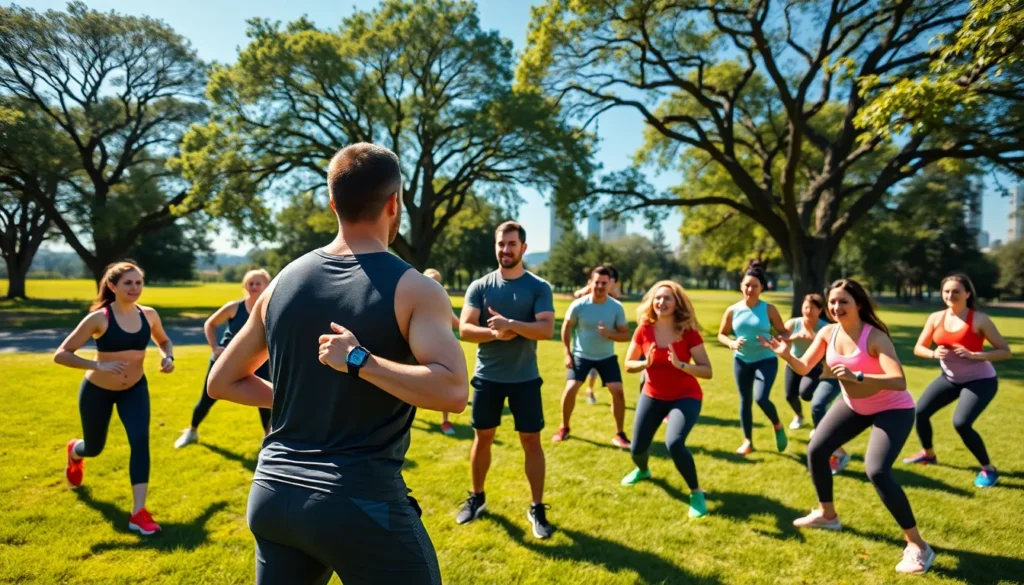
Group fitness events held outdoors are booming. Run clubs meet at sunrise. Boot camps gather in city parks. Outdoor dance classes fill public plazas on summer evenings. These gatherings offer more than exercise, they provide connection.
Post-pandemic, many people crave in-person interaction. Outdoor group fitness delivers that without the cramped quarters of indoor studios. Fresh air and open space reduce transmission risks while increasing comfort.
Social media plays a role here too. Fitness communities organize through Instagram, Strava, and local Facebook groups. A single post can rally dozens of participants for a weekend trail run or beach yoga session.
Outdoor fitness trends 2026 also highlight the rise of pop-up fitness events. These temporary gatherings, often free or low-cost, happen in unexpected locations. A rooftop. A vineyard. A city bridge closed to traffic for the morning.
Community-driven fitness builds accountability. When friends expect someone at a 6 a.m. park workout, that person shows up. The social element transforms exercise from obligation into ritual.
Sustainable and Eco-Conscious Exercise Practices
Sustainability matters to modern fitness enthusiasts. Outdoor fitness trends 2026 reflect this priority.
“Plogging”, a Swedish practice combining jogging with litter collection, has spread globally. Participants carry bags and pick up trash along their running routes. It’s exercise with environmental impact.
Fitness brands are also responding. Sustainable activewear made from recycled ocean plastics and organic cotton is now mainstream. Eco-friendly yoga mats, biodegradable resistance bands, and refillable water bottles have become standard gear.
Outdoor fitness trends 2026 emphasize leave-no-trace principles. Trail runners and hikers are more conscious about staying on marked paths, avoiding sensitive ecosystems, and packing out all waste.
Some fitness organizations now partner with conservation groups. A portion of class fees might fund local park maintenance or tree-planting initiatives. This model aligns values with action.
Carbon-conscious travel is part of the conversation too. Instead of flying to distant fitness retreats, more people choose local options. A weekend camping and hiking trip two hours away beats a cross-country flight for both wallet and planet.
Eco-conscious fitness isn’t a niche anymore. It’s becoming the expectation.
Hybrid Indoor-Outdoor Fitness Models
Not everyone wants to choose between gym and park. Hybrid models offer both.
Outdoor fitness trends 2026 show gyms expanding their programming beyond four walls. Many facilities now include outdoor training zones, turf areas, climbing walls, and functional fitness spaces exposed to open air.
Some studios rotate workouts seasonally. Winter might mean indoor spin classes. Summer shifts to outdoor cycling tours. This flexibility keeps members engaged year-round.
Virtual fitness platforms also support the hybrid approach. A user might stream a strength class indoors during a rainstorm, then take the same instructor’s outdoor HIIT session when weather clears.
Outdoor fitness trends 2026 include memberships that bundle indoor gym access with outdoor programming. One monthly fee covers treadmill time, pool access, and guided Saturday hikes. This model appeals to people who want variety without juggling multiple subscriptions.
Hybrid fitness removes the either-or mentality. People can train inside when conditions demand it and head outside when the weather cooperates. The result is a more adaptable, sustainable fitness routine.