Table of Contents
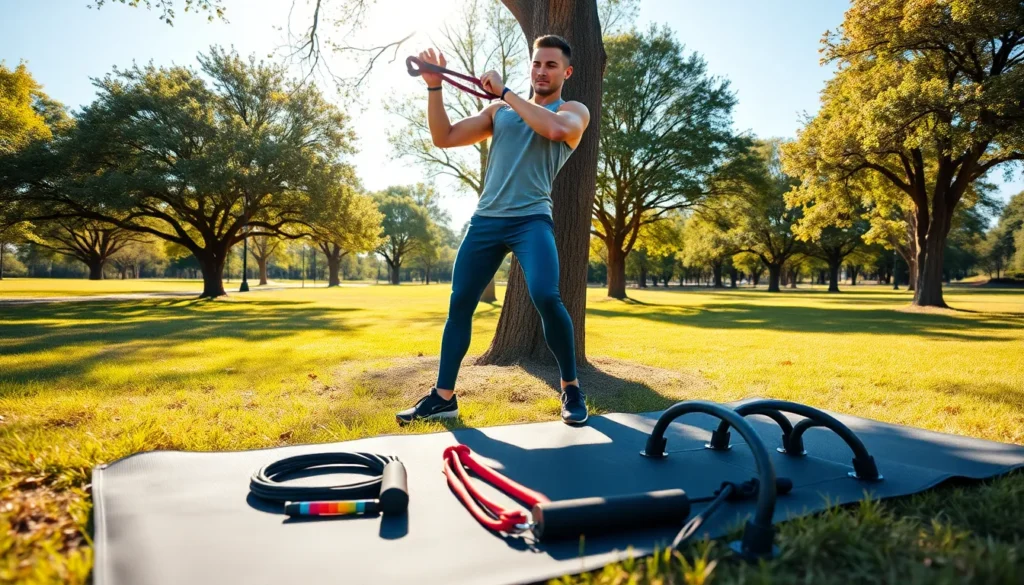
ToggleOutdoor fitness tools transform any park, beach, or backyard into a full-service gym. These portable pieces of equipment let people build strength, improve endurance, and stay active without monthly membership fees. Fresh air, natural terrain, and sunlight add benefits that indoor gyms simply can’t match. Whether someone is a seasoned athlete or just starting their fitness journey, the right outdoor fitness tools make workouts more effective and enjoyable. This guide covers the best gear options, how to pick equipment that fits specific goals, and ways to keep everything in top shape season after season.
Key Takeaways
- Outdoor fitness tools transform parks, beaches, and backyards into affordable, full-service gyms without monthly membership fees.
- Resistance bands and suspension trainers are lightweight, versatile essentials that scale to any fitness level and target multiple muscle groups.
- Training outdoors reduces stress hormones, boosts mood, and engages stabilizer muscles that flat gym floors ignore.
- Choose outdoor fitness tools based on your goals, portability needs, and material quality—look for UV-resistant and rust-proof construction.
- Clean and inspect your gear after every session, and store it in a cool, dry place to extend its lifespan.
- A quality starter kit of resistance bands and a jump rope costs $25–50 and supports full-body outdoor workouts.
Why Train Outdoors With Fitness Tools
Training outside offers advantages that go far beyond a change of scenery. Studies show that outdoor exercise reduces stress hormones like cortisol more effectively than indoor workouts. The uneven ground in parks and trails also engages stabilizer muscles that flat gym floors ignore.
Outdoor fitness tools amplify these benefits. A resistance band in a park provides the same tension as one in a gym, but the workout happens in an environment that boosts mood and mental clarity. Research published in Environmental Science & Technology found that just five minutes of outdoor exercise improved self-esteem and mood.
There’s also the practical side. Outdoor fitness tools eliminate commute time to the gym. They cost a fraction of annual membership fees. A quality set of portable equipment runs between $50 and $200, roughly the price of two months at most gyms.
Sunlight exposure during outdoor workouts helps the body produce vitamin D, which supports bone health and immune function. The varied terrain challenges balance and coordination in ways that machines can’t replicate. And let’s be honest: burpees feel less tedious when there’s actually something interesting to look at.
Must-Have Portable Equipment for Outdoor Workouts
The best outdoor fitness tools share common traits: they’re lightweight, durable, and versatile enough to target multiple muscle groups. Here’s what belongs in every outdoor workout kit.
Resistance Bands and Suspension Trainers
Resistance bands rank among the most effective outdoor fitness tools available. They weigh almost nothing, fit in any bag, and provide variable resistance for dozens of exercises. Loop bands work well for lower body movements like squats and lateral walks. Tube bands with handles suit upper body exercises such as rows, chest presses, and bicep curls.
Suspension trainers like TRX systems take outdoor training to another level. These straps anchor to trees, poles, or sturdy structures and use body weight for resistance. A single suspension trainer enables hundreds of exercises, from rows and push-ups to lunges and core work. Most models weigh under two pounds and pack into a small carrying pouch.
Both options scale easily to any fitness level. Beginners can reduce resistance by adjusting band thickness or body angle. Advanced users increase difficulty by choosing heavier bands or changing leverage points on suspension trainers.
Bodyweight and Functional Accessories
Several accessories complement bodyweight training outdoors. Jump ropes deliver intense cardio in minimal space. A ten-minute jump rope session burns roughly 150 calories while improving coordination and footwork.
Agility ladders help with speed work and foot coordination. They roll up small and set up in seconds on any flat surface. Cones and markers create circuits for HIIT workouts or sprint drills.
Parallettes, small parallel bars that sit low to the ground, expand push-up and dip variations. They reduce wrist strain and allow deeper range of motion. Quality parallettes cost between $30 and $60 and last for years.
Yoga mats or outdoor-specific exercise mats protect against rough surfaces during floor work. Look for mats with closed-cell construction that resists moisture and cleans easily.
How to Choose the Right Outdoor Fitness Tools
Selecting outdoor fitness tools requires matching equipment to personal goals, fitness level, and typical workout locations.
Start with workout objectives. Someone focused on strength gains needs resistance bands with higher tension levels or a suspension trainer. Cardio enthusiasts benefit more from jump ropes and agility equipment. Most people want a mix of both.
Consider portability requirements. Hikers who train at remote spots need ultra-light gear that packs small. Backyard exercisers can use slightly bulkier items like kettlebells or sandbags since transport isn’t a concern.
Material quality matters for outdoor fitness tools. UV-resistant materials prevent degradation from sun exposure. Latex-free resistance bands avoid allergic reactions and often last longer than natural rubber versions. Metal components should feature rust-resistant coatings or stainless steel construction.
Budget also guides decisions. Beginners should start with a basic resistance band set ($15-30) and a jump rope ($10-20). This combination supports full-body workouts while someone learns what they enjoy. More serious athletes can invest in suspension trainers ($100-200) and specialty items as their routines develop.
Read reviews from outdoor users specifically. Indoor reviewers won’t mention how equipment performs in humidity, heat, or cold. Outdoor-focused feedback reveals durability issues that only appear after exposure to the elements.
Tips for Maintaining Your Equipment Outdoors
Outdoor fitness tools face challenges that indoor equipment never encounters. Proper care extends their lifespan significantly.
Clean gear after every outdoor session. Dirt, sand, and sweat degrade materials over time. Wipe down resistance bands and suspension straps with a damp cloth. Let everything dry completely before storage to prevent mold and mildew.
Inspect equipment regularly for wear. Check resistance bands for small tears or thin spots that could cause snapping mid-exercise. Examine suspension trainer stitching and buckles for fraying or corrosion. Replace any component that shows significant wear, the cost of new bands is far less than a potential injury.
Store outdoor fitness tools properly between uses. Keep them in a cool, dry place away from direct sunlight. UV rays break down rubber and synthetic materials even when equipment isn’t being used. A simple storage bag or bin protects gear from dust and light.
Avoid leaving equipment outside overnight. Morning dew and temperature swings stress materials. Even “weatherproof” items last longer with indoor storage.
Some outdoor fitness tools benefit from occasional conditioning. Leather jump rope handles can use light oil to prevent cracking. Metal components may need silicone spray to maintain smooth operation and prevent rust.