Table of Contents
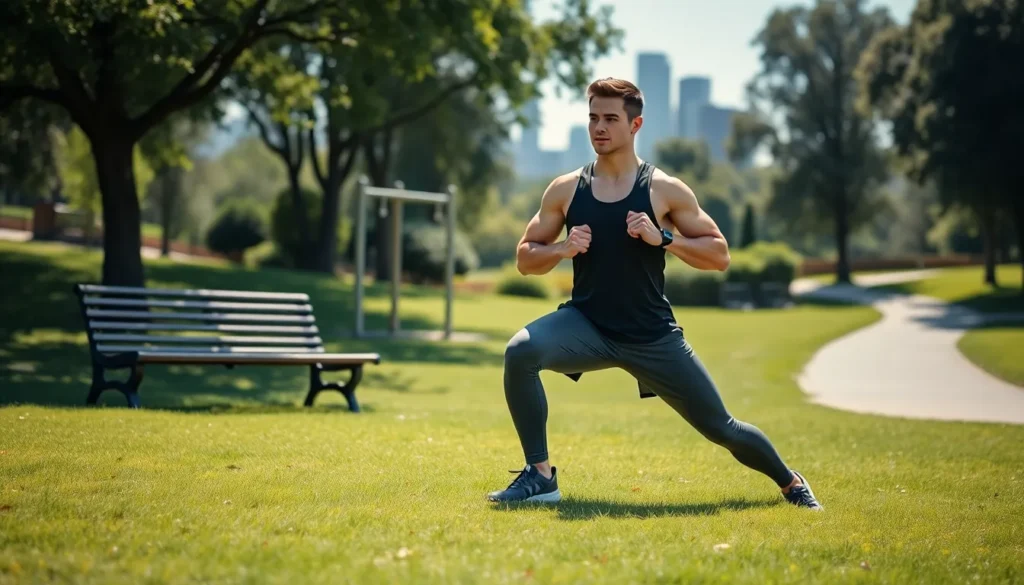
ToggleFresh air, open spaces, and zero gym fees, outdoor fitness ideas offer a refreshing change from indoor workouts. Many people find that exercising outside boosts motivation and makes fitness feel less like a chore. The variety alone keeps things interesting. One day it’s a trail run, the next it’s bodyweight circuits in the park.
Research backs this up. Studies show that outdoor exercise can improve mood, reduce stress, and increase workout adherence. Whether someone is a beginner or a seasoned athlete, taking workouts outside opens up countless possibilities. This guide covers practical outdoor fitness ideas that anyone can start using today.
Key Takeaways
- Outdoor fitness ideas offer free, versatile workout options that boost motivation and reduce stress more effectively than indoor exercise.
- Bodyweight circuits using park benches, grass fields, and trees deliver full-body strength training without any gym equipment.
- Trail running, cycling, and stair workouts provide cardio benefits while natural terrain engages stabilizer muscles and improves balance.
- Morning outdoor workouts help your body produce vitamin D while avoiding peak UV exposure.
- Consistency beats intensity—start with 20-minute sessions three times per week and schedule workouts like non-negotiable appointments.
- Finding a workout partner and tracking progress significantly improves long-term adherence to outdoor fitness routines.
Benefits of Exercising Outdoors
Working out outside does more than just change the scenery. It offers real physical and mental health advantages that indoor gyms can’t match.
Improved Mental Health
Exercise in natural settings reduces anxiety and depression symptoms more effectively than indoor workouts. A 2019 study published in Scientific Reports found that spending at least 120 minutes per week in nature significantly improved well-being. Outdoor fitness ideas let people combine exercise with this nature exposure.
Better Workout Performance
Natural terrain challenges the body in ways flat gym floors don’t. Running on trails engages stabilizer muscles. Uneven ground improves balance. Wind resistance during cycling adds intensity without adjusting settings.
Vitamin D Exposure
Sunlight helps the body produce vitamin D, which supports bone health and immune function. Morning outdoor workouts provide this benefit while avoiding peak UV hours.
Cost Savings
Parks are free. Trails are free. Most outdoor fitness ideas require minimal or no equipment. This removes a major barrier for people who can’t afford gym memberships.
Increased Motivation
Changing environments keeps workouts fresh. The same push-up feels different on grass versus pavement versus sand. Variety fights boredom, and boredom kills consistency.
Full-Body Outdoor Workouts Without Equipment
No weights? No problem. Bodyweight exercises deliver serious results, and outdoor spaces provide everything needed for a complete workout.
Park Bench Circuit
A standard park bench becomes a versatile piece of equipment. Try this circuit:
- Step-ups: 12 reps each leg
- Incline push-ups: 15 reps
- Tricep dips: 12 reps
- Bulgarian split squats: 10 reps each leg
- Box jumps (if bench is sturdy): 10 reps
Rest 60 seconds between rounds. Complete 3-4 rounds for a solid full-body session.
Grass Field Workout
Open grass areas work perfectly for ground-based outdoor fitness ideas:
- Bear crawls: 30 seconds
- Burpees: 10 reps
- Mountain climbers: 20 reps
- Plank holds: 45 seconds
- Jumping lunges: 16 reps total
The soft surface reduces joint impact while still providing resistance.
Tree Resistance Training
Find a sturdy tree for inverted rows. Grab a low, thick branch and pull the chest toward it while keeping the body straight. This exercise builds back strength without a pull-up bar.
Cardio Activities to Try Outside
Outdoor fitness ideas shine brightest in the cardio department. Fresh air and changing scenery make longer sessions feel shorter.
Trail Running
Trails beat treadmills for several reasons. Natural surfaces absorb impact better than concrete. Elevation changes build leg strength. And the mental engagement of watching the path prevents zoning out.
Beginners should start with well-maintained trails and gradually progress to technical terrain.
Cycling
Road cycling and mountain biking both offer excellent cardiovascular benefits. A 30-minute bike ride at moderate intensity burns 250-400 calories depending on body weight and terrain.
Swimming in Open Water
Lakes, rivers, and oceans provide resistance that pools don’t match. Currents force the body to work harder. Always swim with a buddy and check local conditions before entering open water.
Stair Workouts
Public staircases, at stadiums, parks, or outdoor venues, deliver intense cardio. Running stairs elevates heart rate quickly and builds explosive leg power. Football stadiums often allow public access during off-hours.
Jump Rope Sessions
A jump rope costs under $15 and travels anywhere. Ten minutes of jumping burns roughly 100 calories while improving coordination and footwork. It’s one of the most portable outdoor fitness ideas available.
Strength Training in Parks and Open Spaces
Building muscle outdoors requires creativity, but the results match anything a gym produces.
Pull-Up Bars and Playground Equipment
Many parks now include outdoor fitness stations with pull-up bars, parallel bars, and other equipment. Playgrounds (when kids aren’t using them) offer monkey bars for pull-ups and hanging leg raises.
Resistance Band Training
Resistance bands weigh almost nothing and fit in any bag. They add challenge to squats, rows, and presses. Anchor them to trees, posts, or benches for dozens of exercise variations.
Rock and Log Lifting
Nature provides weights. Find a heavy rock or log and perform deadlifts, squats, or carries. This type of odd-object training builds functional strength that transfers to real-world activities.
Hill Sprints for Power
Sprinting uphill develops leg power and overall strength. Find a hill with a 20-30 second sprint distance. Run up at maximum effort, walk down to recover, and repeat 6-10 times.
Isometric Holds
Wall sits against trees, plank holds on grass, and static lunges all build strength without movement. These outdoor fitness ideas work well when equipment options are limited.
Tips for Staying Consistent With Outdoor Exercise
Starting outdoor workouts is easy. Sticking with them takes strategy.
Schedule Workouts Like Appointments
Put outdoor sessions on the calendar. Treat them as non-negotiable commitments. Morning workouts often work best since weather changes and schedule conflicts increase as the day progresses.
Prepare for Weather
Light rain shouldn’t cancel a workout. Invest in moisture-wicking clothing and a waterproof jacket. In hot weather, exercise early or late to avoid peak temperatures. Cold weather requires layers that can be removed as body temperature rises.
Find a Workout Partner
Accountability matters. Partners provide motivation on tough days and make outdoor fitness ideas more enjoyable. Social exercise also improves adherence rates according to multiple studies.
Track Progress
Use a fitness app or simple notebook to log workouts. Tracking creates motivation through visible progress. Record distances, times, reps, and how each session felt.
Start Small and Build
Beginning with 20-minute sessions three times per week beats attempting hour-long daily workouts that lead to burnout. Consistency over intensity wins long-term.
Have Backup Plans
Extreme weather happens. Keep indoor alternatives ready for days when outdoor exercise isn’t safe. This prevents all-or-nothing thinking that derails fitness habits.