Table of Contents
ToggleAn outdoor fitness guide can transform how people approach exercise. Working out outside offers fresh air, natural scenery, and a break from crowded gyms. Many people discover they push harder and enjoy training more when they step outside.
This outdoor fitness guide covers everything needed to build an effective workout routine in parks, trails, and open spaces. Readers will learn about the benefits of outdoor exercise, the best workout types to try, and how to create a plan that fits their goals. The guide also includes safety tips and gear recommendations to help anyone train outdoors with confidence.
Key Takeaways
- An outdoor fitness guide helps you build effective workout routines using parks, trails, and open spaces without gym equipment.
- Exercising outdoors reduces stress, boosts mood, and provides natural vitamin D for better bone health and immune function.
- Mix running, bodyweight exercises, and cycling to target different muscle groups and prevent overuse injuries.
- Schedule three to five outdoor workouts weekly and track your progress to stay consistent and motivated.
- Invest in proper footwear and moisture-wicking clothing to stay comfortable and prevent injuries during outdoor training.
- Always check the weather, stay visible near roads, and share your route with someone for safer outdoor fitness sessions.
Benefits of Exercising Outdoors
Outdoor fitness offers advantages that indoor gyms simply can’t match. Research shows that people who exercise outside experience lower stress levels and improved mood compared to those who work out indoors. The combination of physical activity and nature creates a powerful effect on mental health.
Physical Health Benefits
Training outdoors exposes the body to varied terrain. Uneven ground forces muscles to work harder for stability. This leads to better balance and stronger stabilizing muscles over time. Outdoor workouts also provide natural vitamin D from sunlight, which supports bone health and immune function.
Fresh air contains higher oxygen levels than indoor spaces. This can improve cardiovascular performance and help people feel more energized during workouts. Many outdoor fitness enthusiasts report that they can run farther or train longer when exercising outside.
Mental Health Benefits
Nature has a calming effect on the brain. Studies from the University of Essex found that just five minutes of exercise in a green space can boost self-esteem and mood. Outdoor fitness routines often feel less like a chore because the changing scenery keeps things interesting.
Outdoor exercise also reduces symptoms of anxiety and depression. The combination of movement, fresh air, and natural light helps regulate cortisol levels. People who follow an outdoor fitness guide regularly often report sleeping better and feeling less stressed throughout the day.
Essential Outdoor Workout Types
An effective outdoor fitness guide includes several workout styles. Mixing different types of exercise keeps routines fresh and targets various muscle groups.
Running and Walking
Running remains one of the most accessible outdoor exercises. It requires minimal equipment and can happen almost anywhere. Trail running adds extra challenge through elevation changes and uneven surfaces. Walking offers a low-impact alternative that still provides cardiovascular benefits.
Interval training works well outdoors. Sprinting between two trees, then walking to recover, creates an effective high-intensity workout. Many outdoor fitness plans include interval sessions two to three times per week.
Bodyweight Exercises
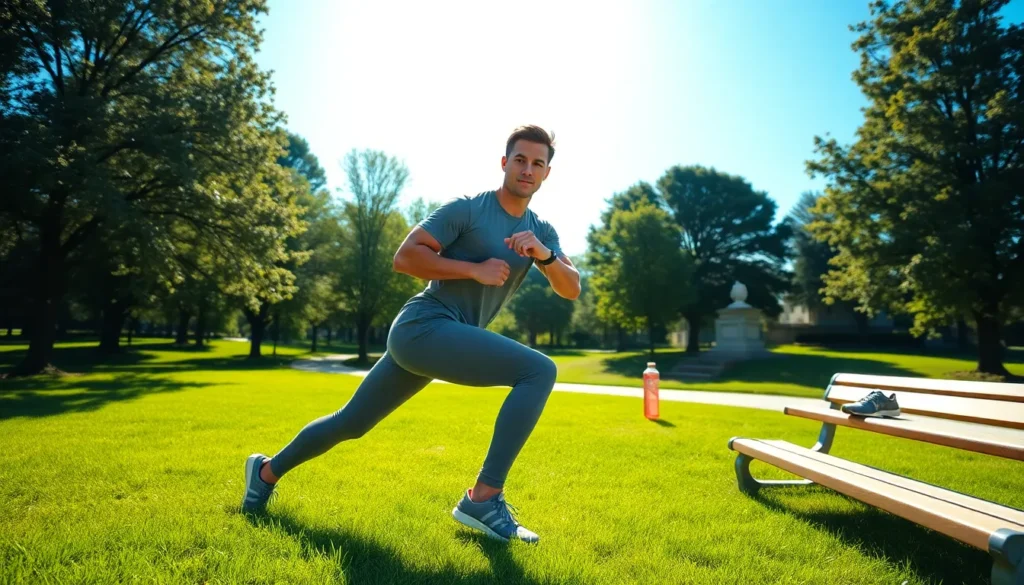
Parks provide excellent settings for bodyweight training. Pull-up bars, benches, and open grass areas become workout equipment. Common outdoor bodyweight exercises include:
- Push-ups on grass or park benches
- Squats and lunges using body weight
- Pull-ups on playground equipment
- Dips on parallel bars or sturdy benches
- Planks and core exercises on flat ground
These exercises build strength without gym equipment. A solid outdoor fitness routine combines these movements into circuits for full-body training.
Cycling and Swimming
Cycling offers another great outdoor cardio option. Roads, bike paths, and mountain trails provide different intensity levels. Swimming in lakes, oceans, or outdoor pools adds variety and works the entire body with minimal joint stress.
Both activities complement running and bodyweight training. An outdoor fitness guide should include at least two cardio options to prevent overuse injuries and maintain motivation.
How to Create Your Outdoor Fitness Plan
Building an outdoor fitness plan requires clear goals and realistic scheduling. The best outdoor fitness routines match individual fitness levels and available time.
Set Clear Goals
Start by defining what success looks like. Someone training for a 5K needs a different plan than someone focused on building muscle. Write down specific, measurable goals. “Run three miles without stopping” works better than “get in shape.”
Goals should include timelines. A 12-week outdoor fitness plan gives enough time to see real progress without feeling overwhelming.
Schedule Your Workouts
Consistency matters more than perfection. Most people benefit from three to five outdoor workouts per week. A balanced weekly schedule might look like this:
- Monday: 30-minute run or walk
- Wednesday: Bodyweight circuit in the park
- Friday: Interval training session
- Saturday: Longer hike or bike ride
Morning workouts work well for outdoor fitness because temperatures are cooler and parks are less crowded. But, the best time is whatever time fits consistently into someone’s schedule.
Track Progress
Keeping a simple log helps people stay motivated. Recording distances, times, and how workouts felt shows improvement over weeks and months. Many free apps track outdoor activities using GPS, making this easy.
An outdoor fitness guide becomes more effective when people adjust their plans based on progress. If running gets easier, add distance or speed. If bodyweight exercises feel too simple, increase reps or try harder variations.
Safety Tips and Gear Considerations
Outdoor fitness requires some planning to stay safe and comfortable. The right gear and awareness prevent injuries and make workouts more enjoyable.
Essential Gear
Good shoes matter most. Trail running shoes provide grip on uneven surfaces. Road running shoes offer cushioning for pavement. Wearing the wrong shoes leads to blisters, discomfort, and potential injuries.
Other helpful outdoor fitness gear includes:
- Moisture-wicking clothing that dries quickly
- A water bottle or hydration pack
- Sunscreen for daytime workouts
- A hat or visor for sun protection
- Reflective clothing or lights for low-light conditions
Weather Awareness
Check the forecast before heading out. Extreme heat requires extra hydration and shorter workouts. Cold weather demands layers that can be removed as the body warms up.
Rain doesn’t have to cancel outdoor fitness plans. Light rain can make runs refreshing. But, thunderstorms and icy conditions create real danger and warrant indoor alternatives.
Stay Visible and Alert
People exercising near roads should wear bright colors and face oncoming traffic. Headphones can block important sounds like approaching cars or cyclists. If using headphones, keep the volume low or use only one earbud.
Tell someone the planned route and expected return time. Carrying a phone provides security for emergencies. These simple steps make outdoor fitness safer without limiting enjoyment.