Table of Contents
ToggleOutdoor fitness examples offer a refreshing alternative to crowded gyms and repetitive indoor routines. Exercising outside provides natural sunlight, fresh air, and varied terrain that keeps workouts interesting. Studies show that outdoor exercise can improve mood, reduce stress, and increase motivation compared to indoor workouts. Whether someone prefers running through a park, doing push-ups on a beach, or joining a boot camp class, the options are nearly endless. This guide explores practical outdoor fitness examples across different categories, from cardio and strength training to flexibility work and group activities.
Key Takeaways
- Outdoor fitness examples range from running and cycling to bodyweight strength training and group boot camps, offering variety for every fitness level.
- Exercising outdoors improves mood, reduces stress, and increases motivation compared to indoor gym workouts.
- Park benches, pull-up bars, and playground equipment transform public spaces into free outdoor gyms for strength training.
- Jump rope is one of the most time-efficient outdoor fitness examples, burning the same calories in 10 minutes as 30 minutes of jogging.
- Outdoor yoga and tai chi enhance flexibility and balance while providing natural vitamin D exposure.
- Stay safe during outdoor workouts by checking weather conditions, staying hydrated, wearing sun protection, and starting new routines gradually.
Cardiovascular Outdoor Activities
Cardiovascular exercise strengthens the heart and burns calories efficiently. Outdoor settings provide ideal environments for these heart-pumping workouts.
Running and Jogging
Running remains one of the most accessible outdoor fitness examples. All it requires is a pair of shoes and an open path. Trails, parks, and neighborhood sidewalks work equally well. Beginners can start with a walk-jog interval pattern before building endurance.
Cycling
Biking offers a low-impact cardio option that covers more ground than running. Road cycling, mountain biking, and casual neighborhood rides all count. Many cities now have dedicated bike paths that make cycling safer and more enjoyable.
Swimming
Lakes, rivers, and ocean beaches provide natural swimming pools. Open-water swimming challenges the body differently than pool laps because of currents and temperature variations. Always swim in designated areas with lifeguards present.
Hiking
Hiking combines cardio with strength work, especially on steep inclines. It also offers mental benefits from spending time in nature. A 150-pound person burns approximately 400-500 calories per hour on moderate trails.
Jump Rope
A jump rope fits in any bag and works anywhere with flat ground. Ten minutes of jumping rope burns roughly the same calories as 30 minutes of jogging. It’s one of the most efficient outdoor fitness examples for busy schedules.
Strength Training Without a Gym
Building muscle doesn’t require expensive equipment. Outdoor spaces provide everything needed for effective strength training.
Bodyweight Exercises
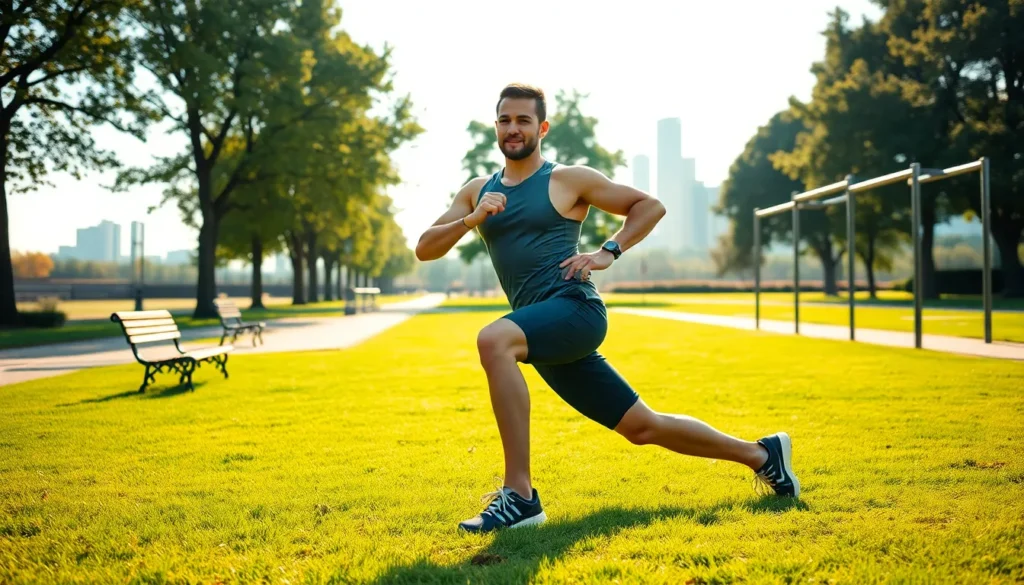
Push-ups, squats, lunges, and planks use body weight as resistance. These movements target major muscle groups and can be modified for any fitness level. Parks often have benches and rails that add variety to bodyweight routines.
Park Bench Workouts
A simple park bench enables tricep dips, incline push-ups, step-ups, and Bulgarian split squats. These outdoor fitness examples transform ordinary objects into workout tools.
Pull-Up Bars and Playground Equipment
Many parks include outdoor fitness stations with pull-up bars, parallel bars, and climbing structures. Playgrounds (when not occupied by children) offer monkey bars perfect for upper body work. Pull-ups, hanging leg raises, and bar dips build serious strength.
Resistance Bands
Portable resistance bands add extra challenge to outdoor workouts. They weigh almost nothing and fit in a pocket. Band exercises can mimic most gym machine movements.
Sandbag and Rock Training
Natural objects make excellent free weights. Carrying a heavy rock or sandbag while walking builds functional strength. This type of training engages stabilizer muscles that machines often miss.
Flexibility and Balance Exercises
Flexibility and balance work often gets overlooked, but these elements prevent injury and improve overall fitness. Outdoor settings enhance these practices.
Outdoor Yoga
Yoga on grass, sand, or a quiet park lawn feels different from studio practice. The uneven natural surface engages more muscles for balance. Morning outdoor yoga sessions also provide vitamin D exposure.
Tai Chi in the Park
Tai chi involves slow, flowing movements that improve balance, flexibility, and mental focus. Parks across the country host group tai chi sessions, especially in the early morning. This gentle practice suits all ages and fitness levels.
Stretching Routines
Simple stretching after outdoor workouts helps muscles recover. Dynamic stretches before activity and static stretches afterward follow best practice guidelines. A grassy area provides enough cushion for comfortable stretching.
Slacklining
Slacklining involves walking on a flat nylon webbing stretched between two anchor points, usually trees. This outdoor fitness example dramatically improves balance and core strength. Beginners should start low to the ground.
Balance Board Training
Portable balance boards work well on flat outdoor surfaces. They challenge proprioception and strengthen ankles and core muscles. Even five minutes of balance training provides measurable benefits.
Group Fitness Options
Working out with others increases accountability and makes exercise more enjoyable. Many group activities work best outdoors.
Boot Camp Classes
Outdoor boot camps combine cardio and strength in high-intensity circuits. Instructors use natural terrain, hills, and open spaces to create challenging workouts. These classes often meet in parks during morning or evening hours.
Running Clubs
Local running clubs organize group runs for all ability levels. The social aspect helps runners stay consistent with their training. Many clubs are free to join and meet weekly.
Outdoor Sports Leagues
Soccer, ultimate frisbee, volleyball, and softball leagues provide structured outdoor fitness examples. Team sports offer cardio benefits plus the fun of competition. Recreation departments in most cities organize adult leagues throughout the year.
Walking Groups
Walking groups suit people who prefer lower-intensity exercise. They combine fitness with socializing and often explore different neighborhoods or trails. Many senior centers and community organizations sponsor walking groups.
Partner Workouts
Exercising with a friend or partner adds motivation and allows for partner-based exercises. Medicine ball tosses, resistance band work, and synchronized bodyweight circuits work well outdoors.
Tips for Safe Outdoor Workouts
Outdoor exercise requires some extra precautions compared to gym workouts. Following safety guidelines prevents injury and ensures consistent training.
Check Weather Conditions
Extreme heat, cold, or storms create dangerous workout conditions. Heat exhaustion can occur when temperatures exceed 90°F with high humidity. Cold weather requires proper layering to prevent hypothermia.
Stay Hydrated
Outdoor fitness examples demand more hydration than indoor exercise, especially in warm weather. Carry a water bottle and drink before feeling thirsty. Sports drinks help replace electrolytes during workouts lasting over an hour.
Wear Appropriate Gear
Proper footwear prevents injuries on uneven terrain. Moisture-wicking clothing keeps the body comfortable. Bright colors or reflective gear improves visibility during early morning or evening sessions.
Use Sun Protection
Sunscreen, sunglasses, and hats protect against UV damage. Even cloudy days can cause sunburn during extended outdoor workouts. Apply SPF 30 or higher at least 15 minutes before heading outside.
Be Aware of Surroundings
Trail conditions, traffic patterns, and wildlife all require attention. Tell someone the planned route and expected return time. Carry a phone for emergencies and consider workout apps that share location with trusted contacts.
Start Gradually
New outdoor fitness routines should build intensity slowly. The varied terrain and weather conditions challenge the body differently than controlled indoor environments. Allow extra recovery time when starting a new outdoor activity.