Table of Contents
ToggleThe best outdoor fitness activities offer something gyms simply can’t replicate: fresh air, natural scenery, and a genuine sense of freedom. Research shows that exercising outside boosts mood, increases motivation, and burns more calories than indoor workouts. Whether someone is a seasoned athlete or just getting started, outdoor fitness provides an accessible and effective way to stay healthy. This guide covers the top activities, essential gear, and practical strategies to help anyone build a consistent outdoor workout routine that actually sticks.
Key Takeaways
- The best outdoor fitness activities boost mood, reduce stress, and burn more calories than indoor workouts while costing nothing.
- Trail running burns 10% more calories than road running and reduces joint stress thanks to natural surface absorption.
- Combine cardio like running with bodyweight park exercises for balanced fitness and engaging workouts.
- Essential gear includes proper footwear, moisture-wicking clothing, hydration supplies, and sun protection for safe outdoor sessions.
- Start with three weekly sessions and gradually increase duration to build a consistent outdoor fitness habit that sticks.
- Track your progress and find workout partners to stay accountable and motivated long-term.
Benefits of Exercising Outdoors
Outdoor fitness delivers physical and mental benefits that indoor workouts often miss. Studies from the University of Essex found that just five minutes of outdoor exercise improves mood and self-esteem. The natural environment reduces cortisol levels and lowers stress more effectively than gym sessions.
Physically, outdoor workouts challenge the body in unique ways. Uneven terrain strengthens stabilizer muscles. Wind resistance during runs increases cardiovascular effort. Natural sunlight helps the body produce vitamin D, which supports bone health and immune function.
The best outdoor fitness routines also fight workout boredom. Changing scenery keeps the mind engaged. A park, beach, or mountain trail offers visual variety that a treadmill screen cannot match. This mental stimulation helps people stick with their exercise habits longer.
Cost savings add another advantage. Parks are free. Trails don’t charge membership fees. Anyone can start outdoor fitness with minimal equipment and zero monthly payments. For those looking to maximize results while minimizing expenses, outdoor exercise makes practical sense.
Top Outdoor Fitness Activities for Every Level
Choosing the right outdoor fitness activity depends on current fitness levels, available time, and personal preferences. Here are two proven options that work for beginners and advanced athletes alike.
Running and Trail Jogging
Running remains one of the most popular outdoor fitness choices for good reason. It requires no equipment beyond a decent pair of shoes. Beginners can start with a walk-run approach, alternating two minutes of walking with one minute of jogging. This method builds endurance without overwhelming the body.
Trail jogging takes running to another level. Natural surfaces absorb more impact than concrete, reducing joint stress. Hills add interval training benefits automatically. A 2019 study published in the Journal of Sports Sciences found that trail runners burned 10% more calories than road runners covering the same distance.
For the best outdoor fitness results, runners should vary their routes weekly. Different terrains target different muscle groups and prevent overuse injuries.
Bodyweight Training in Parks
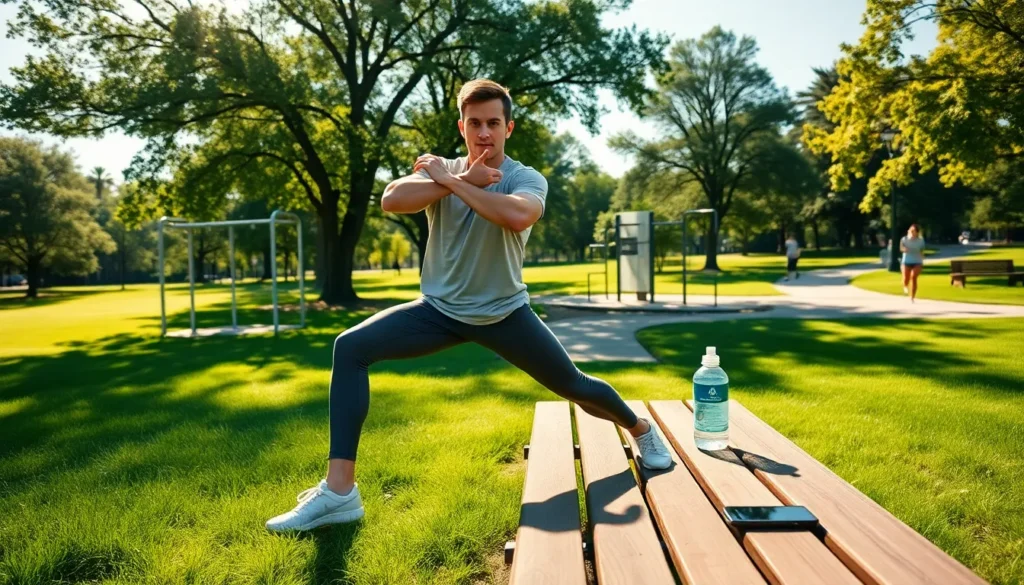
Parks offer free fitness equipment in the form of benches, bars, and open grass spaces. Bodyweight exercises like push-ups, squats, lunges, and pull-ups build functional strength without weights.
A simple park circuit might include:
- 15 bench push-ups
- 20 bodyweight squats
- 10 bench dips
- 30-second plank
- 15 walking lunges per leg
Completing three rounds of this circuit takes about 20 minutes and works every major muscle group. Many parks now include outdoor fitness stations with pull-up bars and parallel bars, expanding exercise options further.
The best outdoor fitness routines combine cardio elements like running with strength training in parks. This approach builds balanced fitness and keeps workouts interesting.
Essential Gear and Safety Tips
Proper gear makes outdoor fitness safer and more enjoyable. The essentials include:
Footwear: Trail shoes provide grip on uneven surfaces. Road running shoes work better on pavement. Wearing the wrong type increases injury risk.
Clothing: Moisture-wicking fabrics keep sweat away from skin. Layers work best for variable weather. Bright colors or reflective strips improve visibility during early morning or evening workouts.
Hydration: A handheld water bottle or hydration vest prevents dehydration during longer sessions. Even mild dehydration reduces performance by up to 25%.
Sun Protection: Sunscreen, sunglasses, and hats protect against UV damage during peak sunlight hours.
Safety considerations for best outdoor fitness practices include:
- Check weather forecasts before heading out
- Tell someone your planned route and expected return time
- Carry a phone for emergencies
- Avoid isolated areas when exercising alone
- Watch for uneven ground to prevent ankle injuries
- Stay aware of traffic when running on roads
Listening to the body matters too. Outdoor conditions change constantly. Heat, cold, and humidity affect performance differently than climate-controlled gyms. Adjusting intensity based on conditions prevents overexertion.
How to Build a Consistent Outdoor Workout Schedule
Consistency transforms occasional outdoor fitness sessions into lasting habits. The key is creating a realistic schedule that fits existing routines.
Start with three sessions per week. Research shows this frequency builds fitness without causing burnout. Monday, Wednesday, and Friday mornings work well for many people. Morning workouts happen before daily responsibilities pile up.
Schedule outdoor fitness like any other appointment. Block time on the calendar. Treat these blocks as non-negotiable. When something is scheduled, it’s more likely to happen.
Progression keeps motivation high. Week one might include 20-minute sessions. By week four, extend to 30 minutes. By week eight, aim for 45-minute workouts. Gradual increases prevent injury and build sustainable habits.
Weather backup plans prevent missed sessions. Light rain doesn’t have to cancel a workout, it can make runs more refreshing. But for extreme conditions, have an indoor alternative ready. Jumping jacks, bodyweight circuits, or stair climbing at home keep momentum going.
Tracking progress reinforces commitment. A simple notebook or phone app records distances, times, and how workouts felt. Reviewing progress after a month shows concrete improvement, which fuels continued effort.
Finding workout partners increases accountability. Running groups meet in most cities. Park workout meetups happen regularly in many communities. Exercising with others makes outdoor fitness more social and harder to skip.